Two Weeks Post-Op: What Typically Happens After Hernia Surgery

Hernia Info Authors

So, you’re having hernia surgery. What comes next? Reaching the two-week milestone after hernia surgery is a significant step in the recovery process. Regardless of the type of hernia, we outline what patients generally experience at the two-week post-surgery mark, including a checklist of typical dos and don’ts to help with recovery. Keep in mind that every patient is different and you should always talk to your doctor about any questions you have, and always follow your doctor's instructions about what you can and cannot do after your hernia surgery.
 

The Surgery1,2

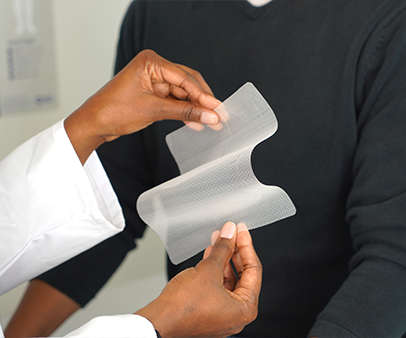
Hernia repair is a common surgical procedure in which the surgeon pushes the protruding tissue back into place and reinforces the weakened muscle wall. The hernia is then closed with stitches or a piece of mesh for added support. Most hernia repairs are done on an outpatient basis and patients go home the same day as the procedure.

Hernia surgery may take as little as 30 minutes for simple repairs, and up to five hours for more complex repairs. It depends on the hernia and the type of surgery used to repair it, whether open, laparoscopic or robotic.

Most patients are discharged the same day, spending just a couple hours in recovery before heading home. If an open surgical approach is used for a complex case, the patient might stay 1-2 nights in the hospital.
 

What Recovery Typically Looks Like at Two Weeks

Although the first two weeks post-hernia surgery include a lot of rest and minimal movement, patients may feel noticeably better at two-weeks post-op. At this stage, most individuals experience reduced pain, increased mobility, and greater independence.3 Pain and soreness tend to be manageable with little or no medication, but some pain and stiffness may linger as you continue to heal for several months.4 However, the length of pain after surgery varies from person to person and greatly depends on the type of surgery you have.4

Most people can return to light activities, though doctors typically recommend avoiding intense physical work and lifting too much weight (often no more than 10 pounds) at this stage. Patients can often return to work, though some precautions may still apply.

Pain and discomfort should gradually subside, but it’s important to continue following proper wound care instructions. Overexertion can lead to setbacks or complications if proper precautions aren’t followed. Remain patient with your progress and avoid assuming that reduced pain means full recovery. Be sure to consult with your doctor.3
 

What Recovery Typically Looks Like at Six to Eight Weeks5

By the six-to-eight-week mark, weightlifting and strenuous activities may start to be cleared by your healthcare provider depending on your personal health and overall healing journey. While many patients will be able to resume the daily activities they enjoyed before surgery, monitoring for any recurrent hernia signs and managing chronic pain is critical. However, recovery and return to normal daily activities after surgery varies from person to person. Always call your doctor if you have any questions or concerns.

The incision site may be well-healed at this point, but always listen to your body and consult your doctor or healthcare provider for any concerning post-op symptoms. If the hernia was repaired with mesh, scar tissue build up around the surgical mesh can happen, but it should be monitored by your doctor during any check-ups. 
 

Typical Dos and Dont’s Post-Hernia Surgery

Below is a checklist of typical recommendations to help guide you through the recovery process at around two weeks post-op. Of course, always follow your healthcare provider’s instructions for your individual situation.
 

Walk Regularly

Taking gentle and brief walks shortly after surgery supports healing by improving blood flow and reducing stiffness. It also plays a key role in preventing complications and rebuilding confidence during early recovery, allowing the body to adapt to protect the surgical repair. Make sure your doctor approves participation in any exercise, including walking, before you start.6

Practice Incision Site Care

It’s important to keep the surgical site clean and protected as it heals. Patients should follow their surgeon's instructions for showering and wound care and watch for signs of infection (such as redness or pus), increased pain, or swelling.7 Be sure to call your doctor if you have questions or concerns about your incision.

Stay Hydrated and Eat High-Fiber Foods

Post-surgical constipation can be common. Drinking plenty of water to stay hydrated and eating fiber-rich foods, such as oats, lentils, avocados, raspberries, dried plums, artichokes, can help make bowel movements easier to pass. Stool softeners may also be advised temporarily. Check with your doctor before taking any medication for constipation.8

Wear Loose, Comfortable Clothing

Certain types of clothing and fabrics may help make your recovery process more comfortable, such as loose-fitting clothing and soft, breathable fabrics. These can feel more comfortable and help prevent putting pressure on the surgical site. Try to avoid rough textures, tight elastics, and seams that could irritate the incision. Wearing front opening garments (button-up shirts, zip-up hoodies, etc.) allow for easier outfit changes without straining the area of the surgical site.9

Learn more about what to wear after hernia surgery

Use Pillows for Comfortable Sleep

Getting proper rest and sleep is crucial for your healing process. Your sleeping position can have a significant impact on your overall recovery and well-being. One of the most recommended sleeping positions after abdominal surgery is lying straight on your back. Use a pillow under your knees to help reduce abdominal strain and keep your body neutrally aligned. It is typically recommended to avoid sleeping on your stomach until cleared by your healthcare provider.10

Follow Up With the Surgeon

Be sure to schedule a follow-up visit with your healthcare provider. This allows the surgeon to monitor healing and provide updated activity guidelines.

Find a hernia surgeon near you

Do Not Lift Heavy Objects

Lifting anything over 10–15 pounds is typically restricted for at least 4–6 weeks post-op. Lifting too soon can risk hernia recurrence, damage to the surgical repair, or other complications. Talk to your doctor about a more specific weight restriction and timeline.11,12

Avoid Strenuous Activity and Exercise

Doctors typically recommend that patients avoid high-impact exercise (like weightlifting or abdominal workouts). However, with your doctor's guidance, you can stay active with gentle exercises by slowly introducing them back into your routine in the weeks after surgery. Short walks and practicing breathing exercises can help prevent blood clots. Talk to your surgeon about when to resume your regular activities.11,12

Don’t Drive if Still in Pain or Taking Pain Medications

The “emergency stop test” is a standard driving readiness assessment—you should be able to slam on brakes without hesitation.13 Driving requires full mobility and alertness. Be sure you are no longer using narcotic pain medication and follow your healthcare provider’s guidance before getting behind the wheel.

Avoid Submerging in Water

Submerging yourself in water can increase the risk of infection. Be sure to avoid swimming, taking a bath, or getting in a hot tub for 2-3 weeks post-surgery. Follow your discharge instructions on when and how to shower and how to care for your incision.12

Avoid Overeating or Gas-Producing Foods

Proper nutrition can also help reduce the chances of having complications and pains during the healing process. After a procedure, some foods may be hard on your digestive system and can cause bloating, such as carbonated drinks, alcohol, dairy products, and fried foods. Because of surgery, large meals can put a lot of pressure on the digestive system. Doctors typically recommend to eat smaller meals taken at intervals for comfort. Be sure to eat in moderation and discuss a proper diet plan with your healthcare provider.14

Don’t Ignore Worsening Symptoms

Signs such as fever, increasing pain, vomiting or nausea, shortness of breath, or an infected looking incision (bulging, dark in color, bad-smelling discharge, pus) should be reported to a healthcare provider immediately.12

Conclusion

Two weeks after hernia surgery, you’re in an important phase of recovery. You’re likely feeling better and moving around more easily, but your body is still healing beneath the surface. This is a time to be mindful and follow your surgeon’s instructions, staying gently active, and avoiding anything that could slow your progress. A little extra care now can make a big difference in helping you recover fully. And, of course, make sure to consult with a doctor if you experience any side effects or complications along the way. 

You can find hernia surgeons in your area on our Surgeon Finder.


The guidance provided in this article follows general rules that should be discussed with your doctor. This article is for informational and educational purposes only. It does not substitute for medical advice. If in doubt, always consult your doctor.
 

Ready for your hernia consultation?

Enter your location to locate surgeons and hospitals in your area who use mesh products.

Find a Local Surgeon

Related Articles


Join the HerniaInfo.com community! Get notified about our latest articles and updates on all things hernia as they become available.