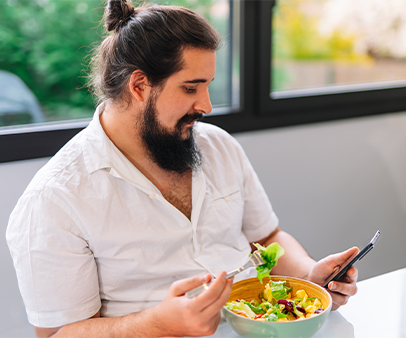
Surgery can be stressful, but your diet doesn't have to be. The good news? A simple meal prep can go a long way in supporting your body's healing process.
Why what you eat matters
Fueling your body with nutrient-dense foods after hernia surgery can help set the stage for your recovery. How? Low-inflammation foods can help reduce swelling and support healing, while high-fiber options keep your digestive system happy when medications might slow things down.1 Meanwhile, healthy fats from avocado and chia seeds help give your body energy, protect your organs, support cell growth, keep cholesterol and blood pressure under control, and help your body absorb vital nutrients.2
These recipes can help your body build the foundation it needs to feel strong and prepared for recovery. Always talk to your doctor about the types of food you can eat (and when you can eat it), as well as any types of food you should avoid, after hernia surgery. Dietary restrictions may vary from patient to patient and be dependent upon the type of hernia you have and the treatment or procedure you received. If you have any questions or concerns, be sure to call your doctor.
Smoothies: Why are they so good for recovery?
Smoothies can be a post-surgery powerhouse because they pack hydration, vitamins, and protein into an easy-to-consume format, perfect when chewing or appetite is limited.
- Vitamin C from fruits like mango, pineapple, and cherries supports collagen formation and wound healing.3
- Protein, which can be added to smoothies through protein powders and nut butters, can help your body build and repair cells and body tissue.4
- Fiber-rich ingredients, such as oats and pears, gently support digestion and can help prevent post-op constipation.5
Golden turmeric smoothie bowl
Turmeric contains curcumin, which has natural anti-inflammatory and antioxidant properties,6 while the chia seeds pack a fiber punch that'll keep you satisfied.
Prep time: 5 minutes | Serves 1
Ingredients:
- 1 frozen banana
- ½ cup coconut milk
- ½ teaspoon turmeric powder
- 1 tablespoon chia seeds
- 1 tablespoon honey
- ¼ cup blueberries
- 2 tablespoons granola (optional)
Instructions: Blend the banana, coconut milk, turmeric, and honey until smooth. Pour into a bowl, top with chia seeds, blueberries, and granola.
Gentle green goddess smoothie
The green machine smoothie is packed with fiber (fruits, vegetables) which can help with digestion and healthy fats (avocado, greens, seeds) which can help to absorb vitamins to support recovery.7
Prep time: 3 minutes | Serves 1
Ingredients:
- 1 cup spinach
- ½ avocado
- 1 green apple, cored
- 1 cup unsweetened almond milk
- 1 tablespoon ground flaxseed
- 1 teaspoon fresh ginger
Instructions: Toss everything in your blender and blend until creamy. Tip: Make several portions ahead and freeze in individual containers!
Other simple recovery smoothie ideas
- Tropical Paradise Recovery Blend: Mango, pineapple, coconut water, and a handful of spinach create a vitamin C powerhouse that tastes like a vacation in a glass.
- Chocolate Cherry Protein Dream: Frozen cherries, cocoa powder, protein powder, dairy-alternative milk of your choice, and almond butter make a dessert-like treat that's actually doing good work for your muscles.
- Vanilla Pear Fiber Boost: Ripe pear, vanilla protein powder, dairy-alternative milk of your choice, oats, and cinnamon create a filling smoothie that tastes like pie filling.
Warm and savory recipes for recovery
Need something a little cozier? After surgery, soothing, easy-to-swallow meals can help with keeping up energy while avoiding digestive strain. With a balance of healthy carbs, fats, and fiber, these recipes are perfect for lunch or dinner and can be paired with other dishes and easily reheated for another time.
Silky-sweet potato soup
Sweet potatoes provide beta-carotene, which the body converts to vitamin A and helps support the immune system.8
Prep time: 10 minutes | Cook time: 25 minutes | Serves 4
Ingredients:
- 2 large sweet potatoes, peeled and cubed
- 1 medium carrot, chopped
- 2 cups low-sodium vegetable broth
- 1 can coconut milk
- 1 teaspoon fresh ginger, minced
- ½ teaspoon cinnamon
- Salt and pepper to taste
Instructions: Simmer sweet potatoes and carrots in broth until tender (about 20 minutes). Blend until smooth, then stir in coconut milk and seasonings. This dish delivers warmth, comfort, and nourishment in every spoonful.
Healing bone broth with tiny pasta
Bone broth has long been valued as a recovery staple. It contains amino acids like glycine and proline, as well as collagen, which are building blocks for tissue repair and gut health.9 Pairing broth with easy-to-digest pasta provides gentle carbohydrates for energy,10 while olive oil and herbs add antioxidants and healthy fats.11
Prep time: 5 minutes | Cook time: 15 minutes | Serves 2
Ingredients:
- 2 cups high-quality bone broth
- ¼ cup small pasta (ditalini or orzo work great)
- 1 tablespoon olive oil
- ½ teaspoon garlic powder
- Fresh herbs (parsley or chives)
Instructions: Heat broth and cook pasta directly in it until tender. Drizzle with olive oil and sprinkle with herbs. This simple bowl offers both comfort and recovery support.
Make-ahead magic tips
Good nutrition doesn’t just happen; it’s about planning, especially during recovery when energy may be low. By prepping in advance, you can help set yourself up for a smoother (and potentially less stressful) healing journey.
- Freezer Prep: Make smoothie packs by portioning ingredients into freezer bags. Just dump and blend when you're ready!
- Soup Solutions: Double your soup recipes and freeze them into individual portions. Future you will be so grateful.
- Batch Cooking: Preparing grains like quinoa or brown rice in advance can ensure you always have a fiber on hand to balance meals and help you feel full.12
The bottom line
Recovery eating doesn't have to be boring or complicated. These recipes are examples of healing foods that can be absolutely delicious, as well. Remember to listen to your body, stay hydrated, and don't hesitate to modify recipes based on your specific dietary needs or your doctor's recommendations. Don’t hesitate to contact your doctor if you have any questions or concerns.
The guidance provided in this article follows general rules that should be discussed with your doctor. This article is for informational and educational purposes only. It does not substitute for medical advice. If in doubt, always consult your doctor.

Find a hernia surgeon near you
Enter your ZIP code and click "Search" to get started. You can set your preferred search radius and select a hernia type if needed.
Related Articles